
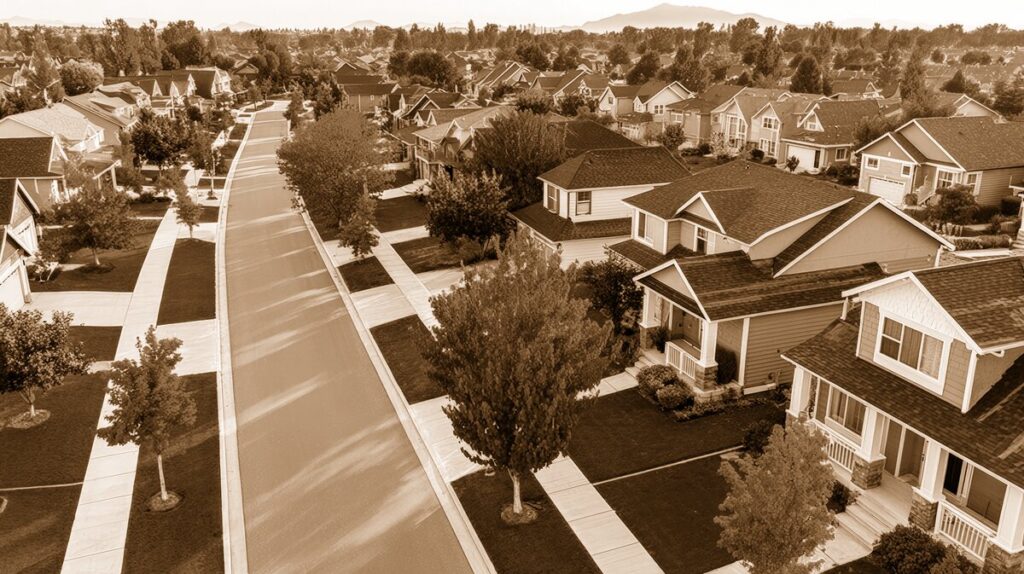
Nestled in the southeastern corner of Deerfield Beach, Broward Highlands is more than just a neighborhood — it’s a living tapestry of community spirit, resilience, and South Florida charm. While its tree-lined streets and modest homes might seem ordinary at first glance, a closer look reveals a rich history that continues to shape this beloved enclave today.
The Origins: From Farmland to Neighborhood
Like much of Broward County, the land that now makes up Broward Highlands was once rural and wild — scrub palmetto, pine, and sandy tracks stretched as far as the eye could see. The area’s transformation began in the post-World War II boom when returning veterans and their families looked southward for affordable homes and new beginnings.
Established in the early 1950s, Broward Highlands was among the first planned residential developments in Deerfield Beach’s southern reaches. The name “Highlands” was chosen not for soaring hills but to evoke a sense of elevation and tranquility above the busy bustle of U.S. 1 (Federal Highway). Developers also hoped the name would distinguish the area from the denser city center to the north.
A Community Takes Root
Broward Highlands sprang up around key arteries like SE 10th Street and SE 6th Avenue, quickly filling with single-story concrete block homes. Developers marketed these sturdy, affordable houses to young working families, retirees, and snowbirds seeking refuge from northern winters. The result: a vibrant community defined by its diversity and neighborly bonds.
Immigrants from across the U.S. — and increasingly from Latin America and the Caribbean — brought cultures, flavors, and traditions to Broward Highlands. Each new resident added threads to the neighborhood’s cultural fabric, echoing the larger story of Broward County itself.
Notable Landmarks and Institutions
Despite its modest size, Broward Highlands has always had gathering places that anchor its sense of community. Among them:
- Westside Park: Located just west of SE 6th Avenue, this green oasis serves as the neighborhood’s recreational heart. Generations of children have swung from its playgrounds, while adults gather beneath pavilions for picnics, birthday parties, and impromptu get-togethers.
- Zion Lutheran Church and School: Just east of the neighborhood on SE 10th Street, the historic Zion Lutheran campus has been a spiritual and educational anchor since the 1960s. Its iconic A-frame sanctuary is a local landmark, visible to any traveler passing along nearby Dixie Highway.
- Local Shops along SE 10th Street: Decades-old storefronts, such as small family-run delis and convenience stores, still dot the edge of the Highlands. These businesses are places where residents swapped stories and looked out for one another — the backbone of “old Florida” neighborliness.
Key Historical Milestones
Broward Highlands’ timeline mirrors that of south Broward County’s postwar growth, marked by a few key transitions:
1. 1950s-1960s: Suburban Expansion
Affordable homes lure new families, and streets like SE 7th Avenue and SE 8th Avenue quickly fill with residents. City utilities, streetlights, and paved roads mark the area as a modern suburb.
2. 1970s-1980s: Changing Demographics
As Broward County becomes more diverse, so does Broward Highlands. Newcomers infuse the culture with Caribbean cuisine, Latin music, and a mosaic of languages. Institutions like Zion Lutheran expand, reflecting the growing neighborhood.
3. 1990s-Present: Revitalization and Renewal
Proximity to major roads and commercial corridors draws new investment. Young families discover the neighborhood’s solid homes and excellent community spirit, leading to renovations and rising pride in homeownership. Westside Park undergoes upgrades, further cementing its role as a community gathering spot.
Streets with History
Walking through Broward Highlands today, each street tells a part of the neighborhood’s story:
- SE 10th Street: The main artery, linking the neighborhood east to Dixie Highway and west to I-95. Its nearby plazas have evolved but remain essential to daily life.
- SE 6th Avenue: Once the route of the “Dixie Doodle” trolley, now a quiet residential lane known for well-kept lawns and large shade trees.
- SE 8th Court: Home to some of the oldest properties, many lovingly restored by long-term residents who cherish their mid-century charm.
Evolution Over the Decades
While Broward Highlands was once seen as a “starter neighborhood,” today it has become a destination in its own right. Original homeowners’ children return to buy their own homes here, drawn by the same sense of community that shaped their upbringing. Classes at Zion Lutheran School still ring out at midday, while soccer games and cookouts fill Westside Park on weekends.
Recent years have seen an uptick in beautification projects, block parties, and neighborhood initiatives designed to bring residents together and preserve both the physical and social character of Broward Highlands. Community cleanups, food drives, and multicultural festivals highlight the area’s ongoing evolution — a celebration of where it’s been and where it’s going.
A Legacy of Community
If you ask a longtime Broward Highlands resident what makes the neighborhood special, chances are you’ll hear about more than the homes and parks. You’ll hear about block parties on SE 7th Avenue, children riding bicycles to Westside Park after school, and families helping families through good times and bad. You’ll hear about diversity not as an abstract idea, but as a daily reality and a source of strength.
Broward Highlands may not have the mansions of waterfront Deerfield, but it has something just as valuable: a sense of belonging, a respect for its roots, and an enduring optimism about the future. It’s a place where the past is cherished but doesn’t hold the future back — a real Florida neighborhood, in every sense of the word.